
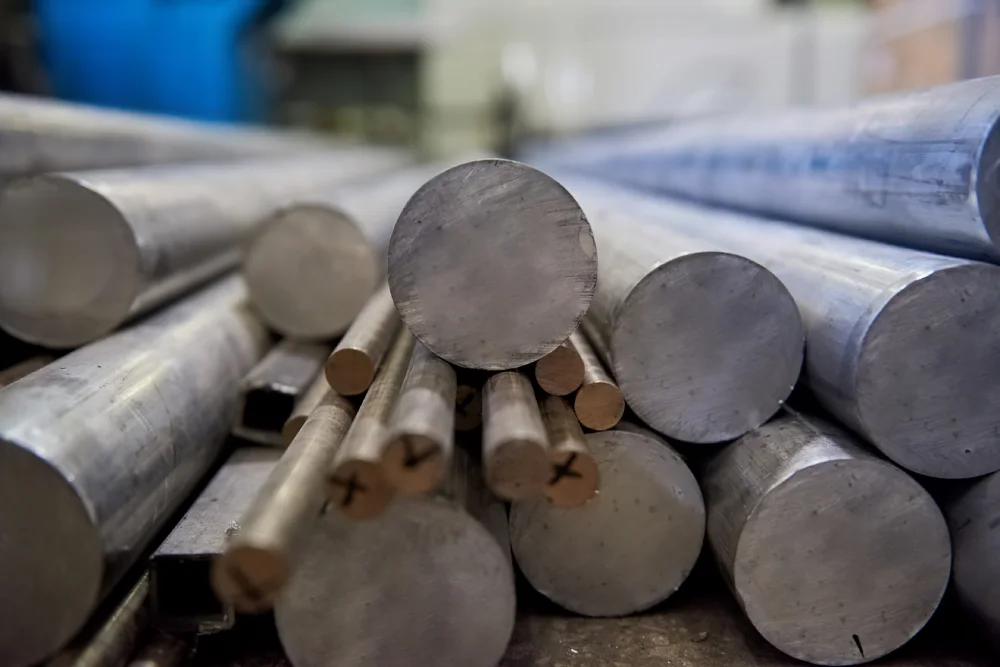
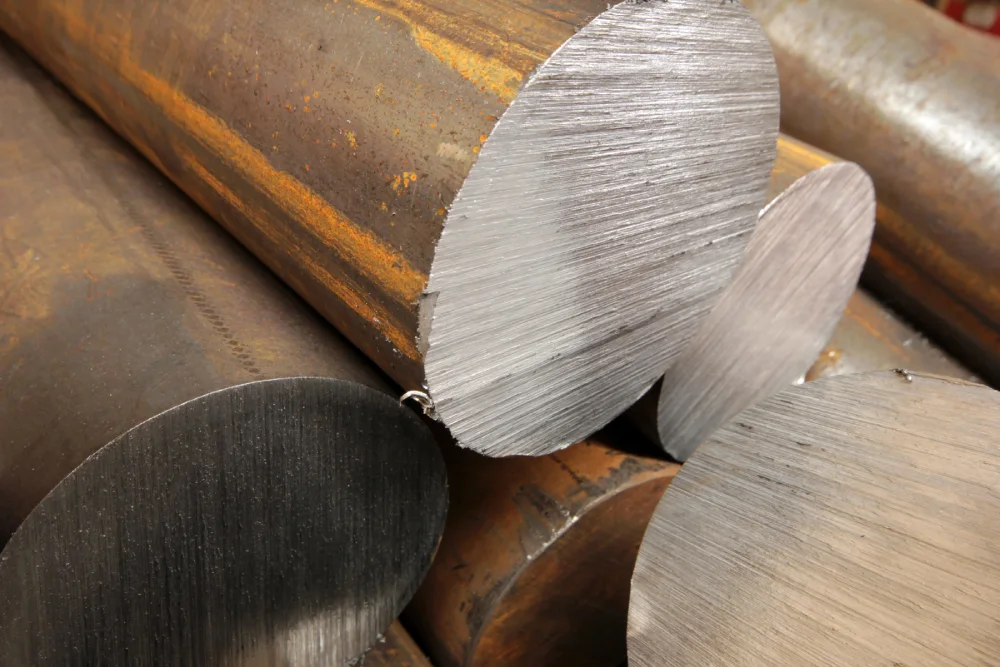
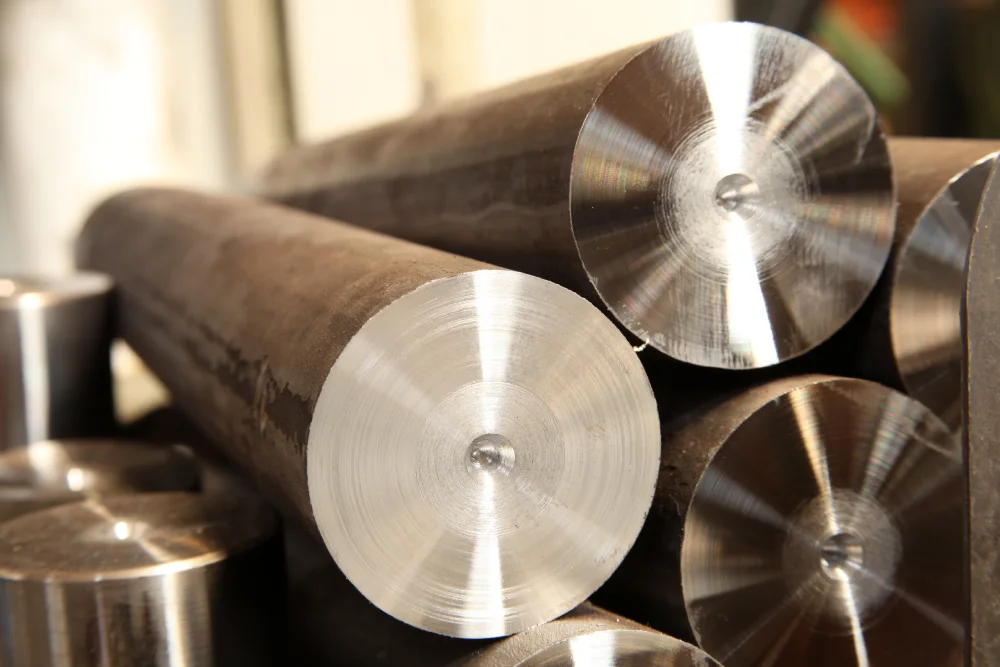
Carbon steel is a metal alloy composed mainly of iron and carbon, and is one of the most widely used materials in industry and construction. The carbon content in the alloy directly influences its mechanical properties, such as strength, hardness and ductility, making this material extremely versatile for different industrial applications.
In general, carbon steel can contain between approximately 0.008% and around 1% carbon, which gives it high mechanical strength and good formability. Depending on the composition and the treatments applied, it can offer different levels of strength, machinability and weldability.
Thanks to its characteristics, carbon steel is widely used in metal structures, civil construction, the automotive industry, industrial equipment, machinery, mechanical parts and structural components.
Classification of carbon steels
Carbon steels are usually classified according to the carbon content in the alloy.
Low-carbon steel Contains up to around 0.30% carbon Offers good ductility, high weldability and ease of machining. It is widely used in metal structures, structural sections, sheet metal, piping and components used in civil construction.
Medium-carbon steel Has approximately between 0.30% and 0.60% carbon. It offers higher mechanical strength and better performance in heat treatments. It is often used in the manufacture of shafts, gears, machine components and parts subject to mechanical stress.
High-carbon steel
With a higher carbon content, usually between 0.60% and 1%, this type of steel offers high hardness and wear resistance. It is used in tools, high-strength parts, blades and components subject to heavy wear.
Properties and advantages
Carbon steel stands out for several characteristics that make it an essential material for a wide range of industrial applications.
High mechanical strength
Good ductility and toughness